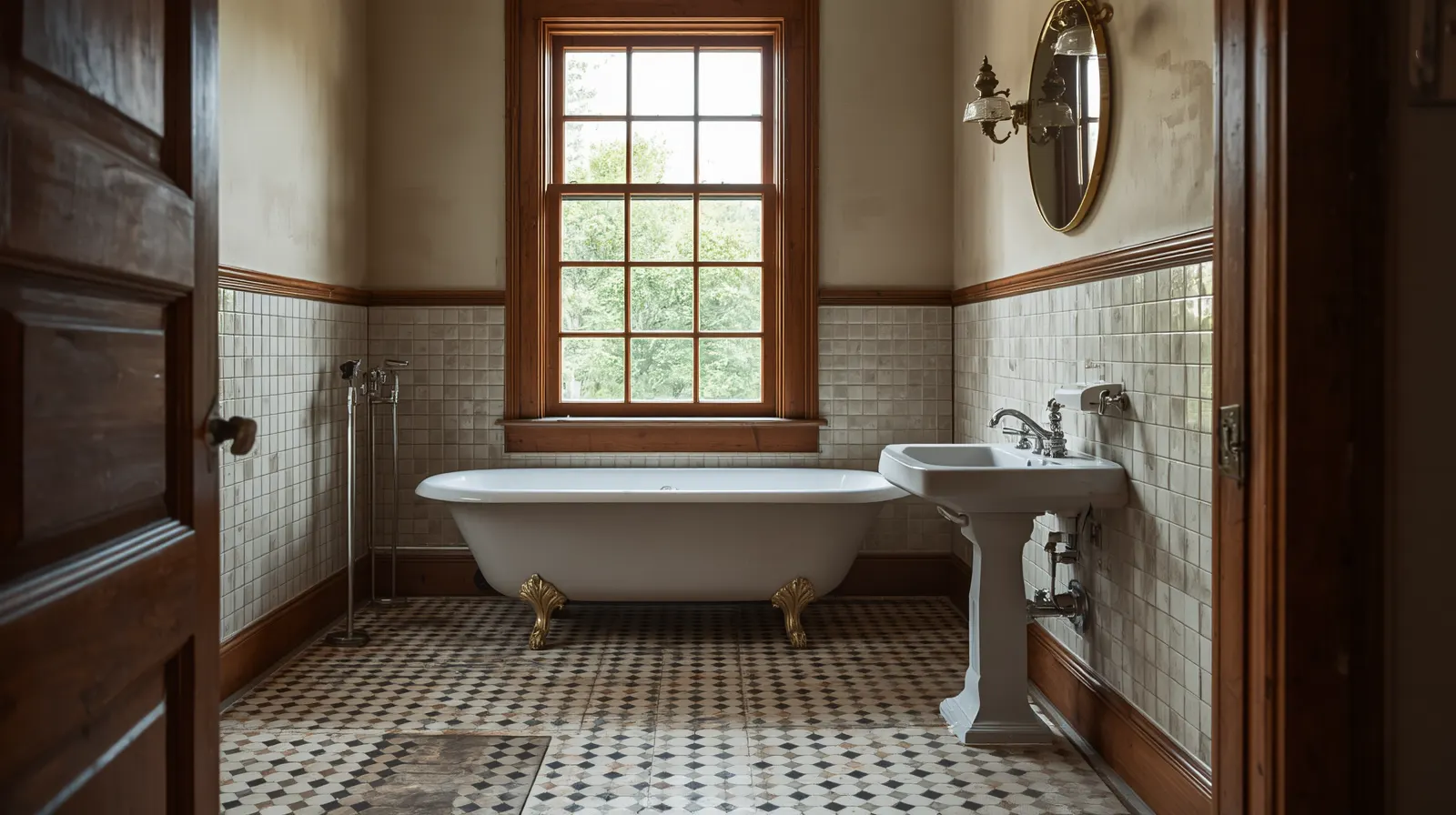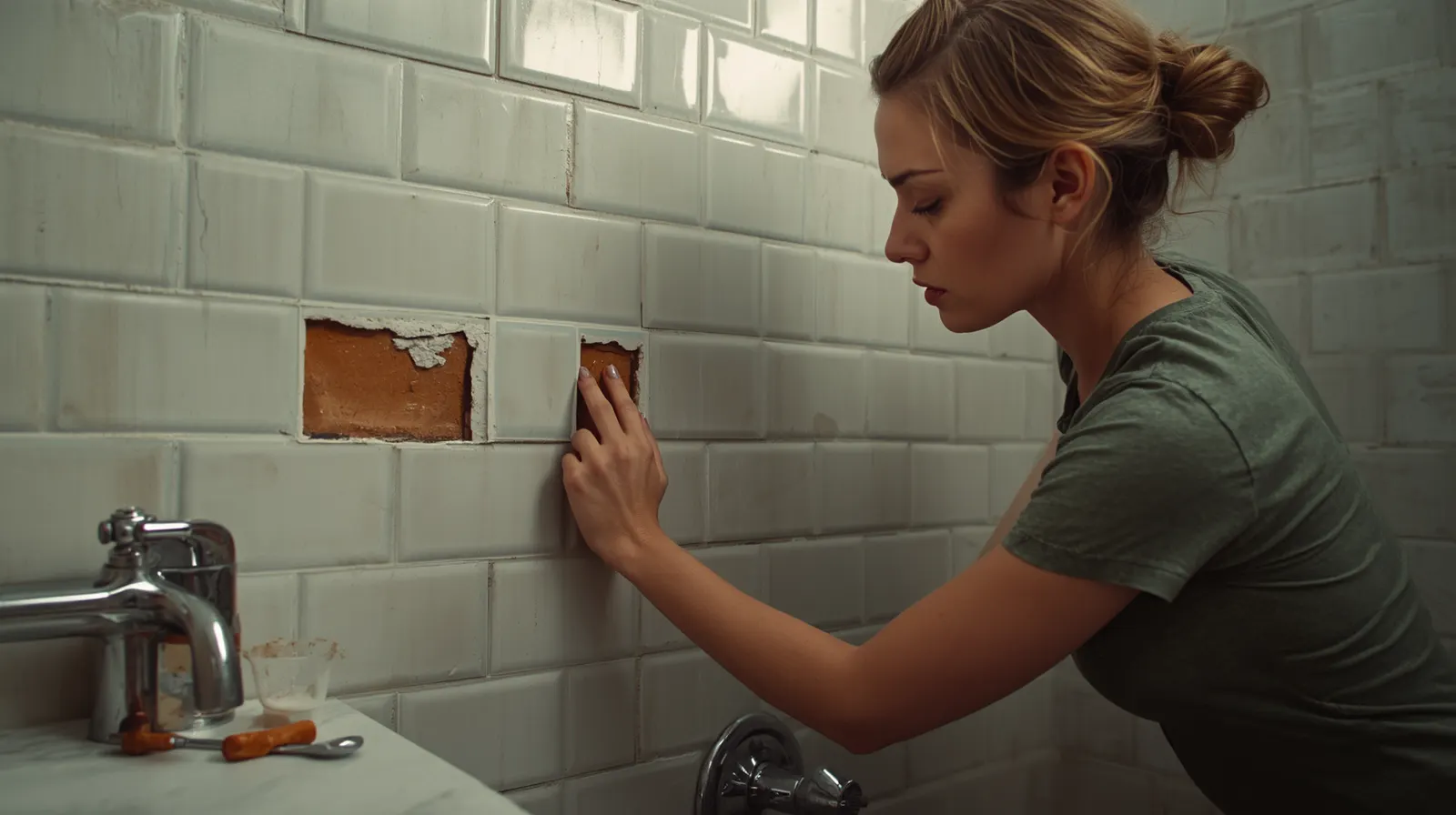
Have you noticed a shower tile moving slightly when you touch it? Although it may seem like a small issue, a loose tile can signal moisture problems behind the wall. In heritage homes, repairs require extra care to protect original materials and preserve the bathroom’s traditional character.
Loose Shower Tiles should be inspected early to prevent minor damage from spreading. By identifying the cause and choosing suitable repair methods, you can restore stability while keeping the distinctive details that make an older bathroom special.
Common Causes of Loose Shower Tiles
Loose tiles often develop because moisture reaches the wall beneath them, grout deteriorates, or the original adhesive weakens over time. Older bathrooms may also have traditional backing materials that need careful assessment before repairs begin.
Have you noticed cracked joints, damp patches, or a musty smell around the shower? These signs can help identify the source of the problem before it causes more extensive damage.
Water Damage Behind Old Tiles
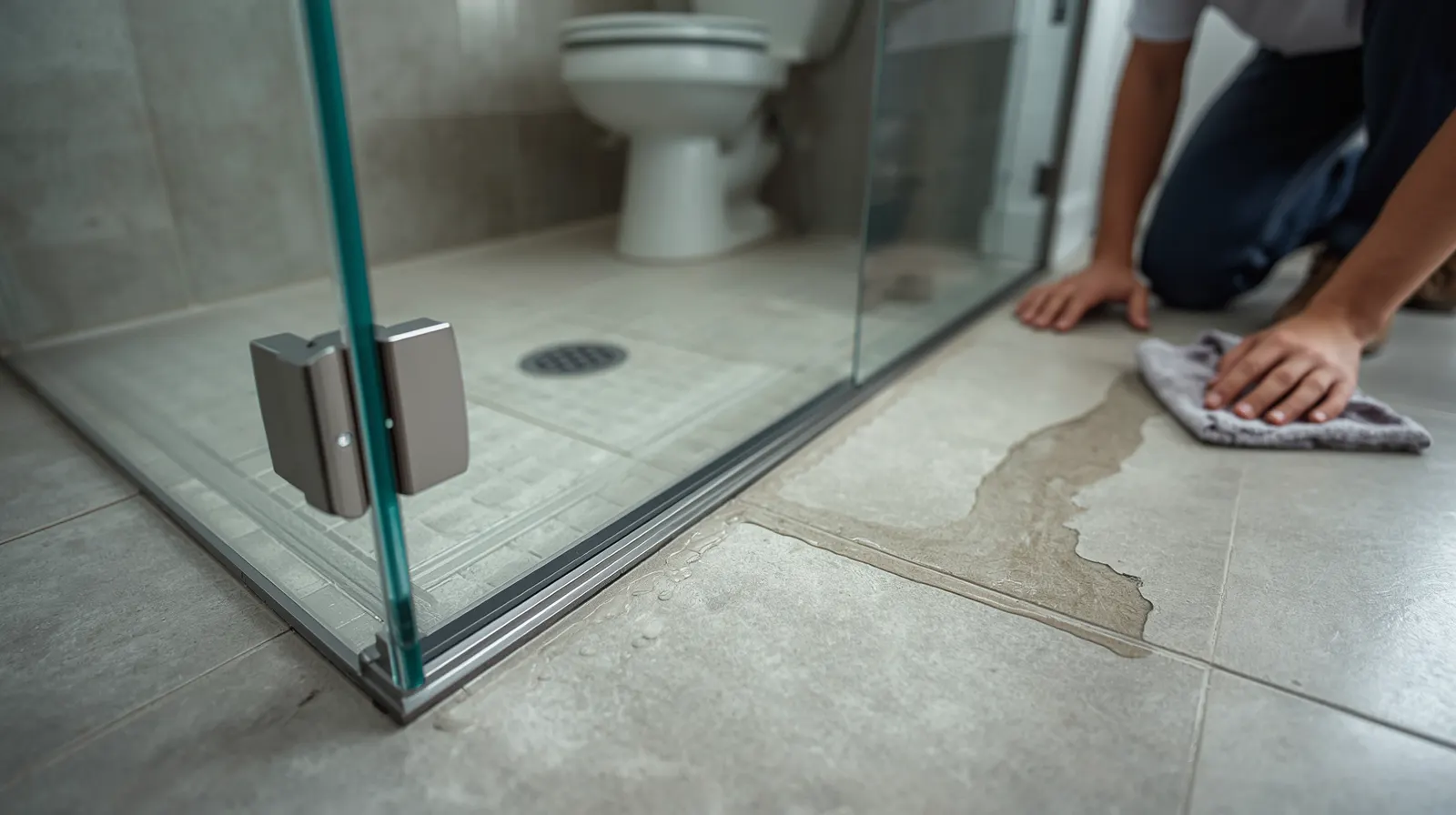
Water can seep through damaged grout or worn seals and gradually weaken the surface beneath the tiles. As the adhesive loses its grip, tiles may begin to move or separate from the wall.
Replacing a loose tile without addressing the moisture source can lead to repeated problems. Check for leaks and allow affected materials to dry properly before beginning repairs.
Cracked Grout and Worn Seals
Grout fills the spaces between tiles, while flexible sealant protects joints around corners and fixtures. When these materials crack or pull away, water can enter vulnerable areas and contribute to tile failure.
Inspect shower joints regularly and replace deteriorated materials with suitable products. However, remember that fresh grout alone cannot fix damaged waterproofing beneath the tiles.
Weak Adhesion on Heritage Walls
Older walls may contain traditional backing materials or adhesives that have weakened with age. Previous renovations can also introduce incompatible products that affect how well tiles remain attached.
Avoid pulling tiles away forcefully, especially if they appear original. Careful removal and professional assessment can help prevent damage to surrounding tiles and historic finishes.
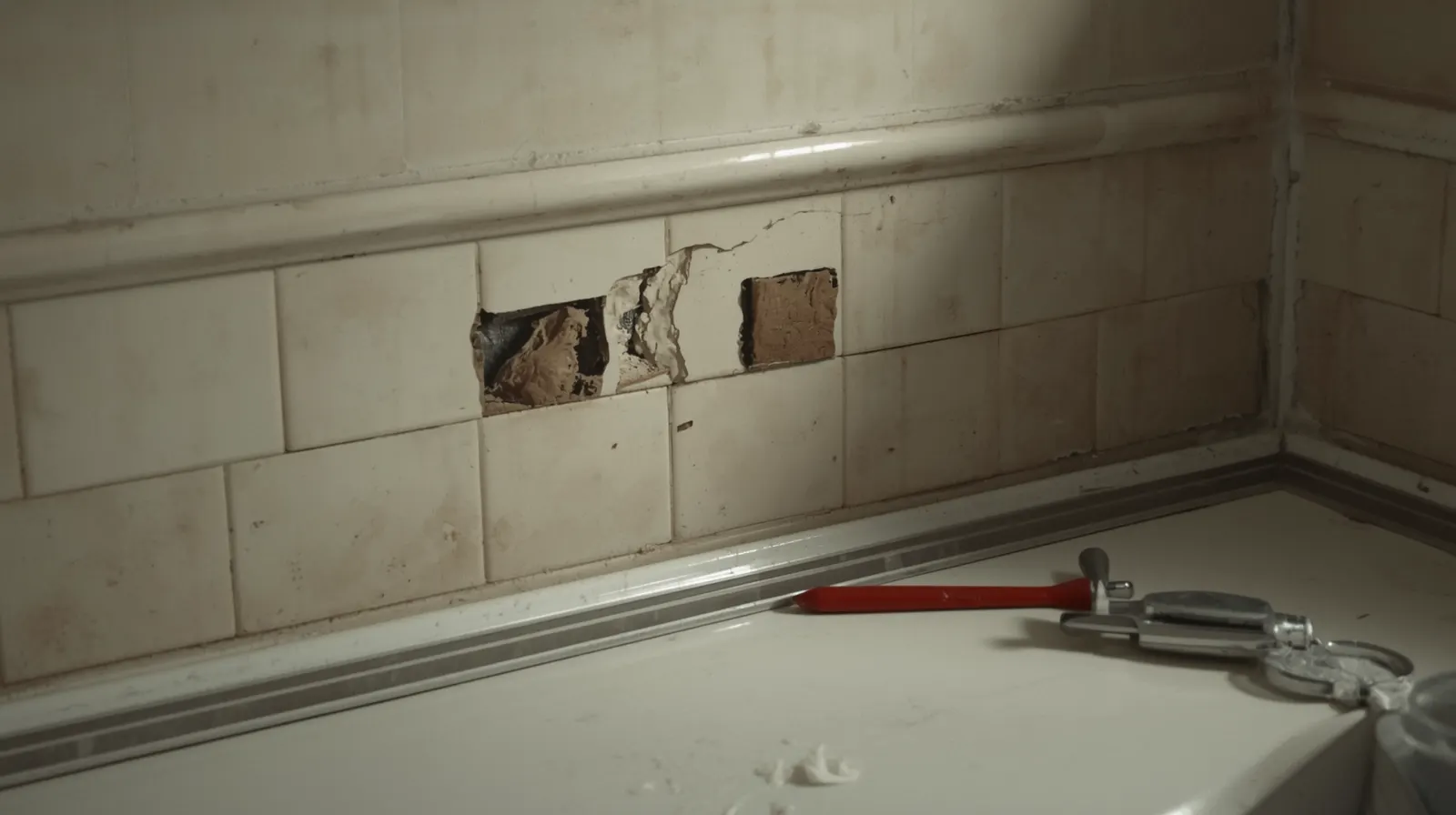
Planning Heritage Tile Restoration
Heritage Tile Restoration starts with understanding the condition of the original tiles, the backing surface, and the waterproofing system. The aim is to preserve sound materials wherever possible while correcting the underlying cause of the damage.
Before choosing a repair method, consider whether the problem affects one tile or an entire section. Widespread movement, persistent dampness, or soft wall surfaces may require a specialist experienced in older buildings.
Checking Original Tile Condition
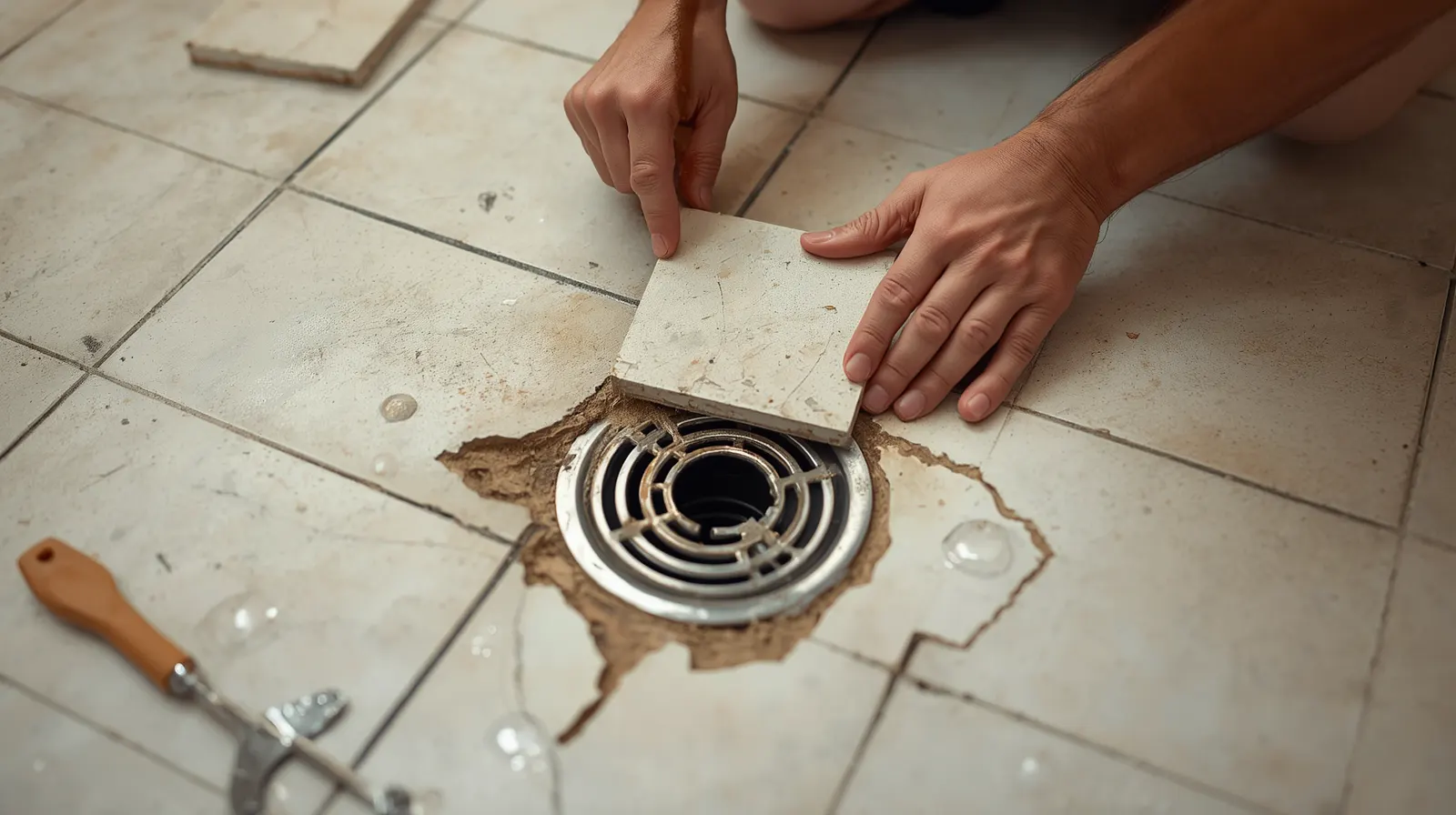
Examine loose tiles for cracks, chipped edges, discoloration, and damaged glaze. Handle them carefully because older tiles can be fragile, and removing them unnecessarily may cause further damage.
If several tiles move together, inspect the wall behind them before proceeding. A stable, dry backing surface is essential for a lasting repair.
Replacing Damaged Grout Carefully
Remove damaged grout with suitable tools, taking care not to scratch tile edges or weaken the surrounding joints. Clean the gaps and check for moisture before applying replacement material.
Choose grout and sealant that suit the original construction and wet environment. If the wall contains historic materials, seek professional advice before using modern products that may be incompatible.
Matching New Tiles to the Original
When a tile cannot be repaired, look for a replacement with a similar size, color, texture, and finish. Even small differences can stand out against an established heritage pattern.
Preserve reusable original tiles whenever possible. A specialist may help source reclaimed tiles or arrange suitable reproductions if an exact match is unavailable.
Benefits of Restoring Heritage Shower Tiles
Careful repairs can protect a traditional bathroom without requiring a complete renovation. Addressing the cause of loose tiles also helps reduce the risk of recurring moisture damage and unnecessary replacement costs.
The National Park Service publication Preserving Historic Ceramic Tile Floors, by Anne E. Grimmer and Kimberly A. Konrad, notes that “water-related problems are one of the most common causes for the deterioration and failure of historic tile floors.” Although the guidance focuses on floors, it highlights an important consideration when assessing moisture-related problems in older tiled spaces.
Preserving the Bathroom’s Original Character
Original tiles may feature distinctive colors, handmade details, or patterns that are difficult to reproduce today. Keeping them in place helps preserve the bathroom’s connection to the home’s architectural history.
Repairing individual tiles rather than replacing an entire wall can also reduce waste and maintain the room’s original appearance.
Preventing Further Moisture Damage
Repairing leaks and renewing failed joints can help stop moisture from spreading into nearby walls. Good ventilation and routine inspections also support a healthier bathroom environment.
If dampness returns after repairs, investigate the underlying cause instead of repeatedly replacing grout or adhesive.
Improving Tile Safety and Durability
Secure tiles create a more reliable shower surface and reduce the chance of pieces detaching unexpectedly. Using compatible materials and repairing damaged backing surfaces can also help the work last longer.
Anne E. Grimmer and Kimberly A. Konrad emphasize the importance of a sound foundation in historic tile preservation, explaining that “the durability of ceramic tile floors depends to a great extent on a sound mortar bed and sound mortar joints.” This principle reinforces why stable backing and properly maintained joints matter during careful restoration.
Refresh Your Heritage Shower Tiles Today
Loose shower tiles do not automatically mean your heritage bathroom needs a complete makeover. With a careful inspection, suitable materials, and repairs that address moisture at its source, you may be able to preserve the original tiles while improving their stability.
Ready to protect your bathroom’s historic charm? Arrange a careful tile assessment and restore your shower with confidence.