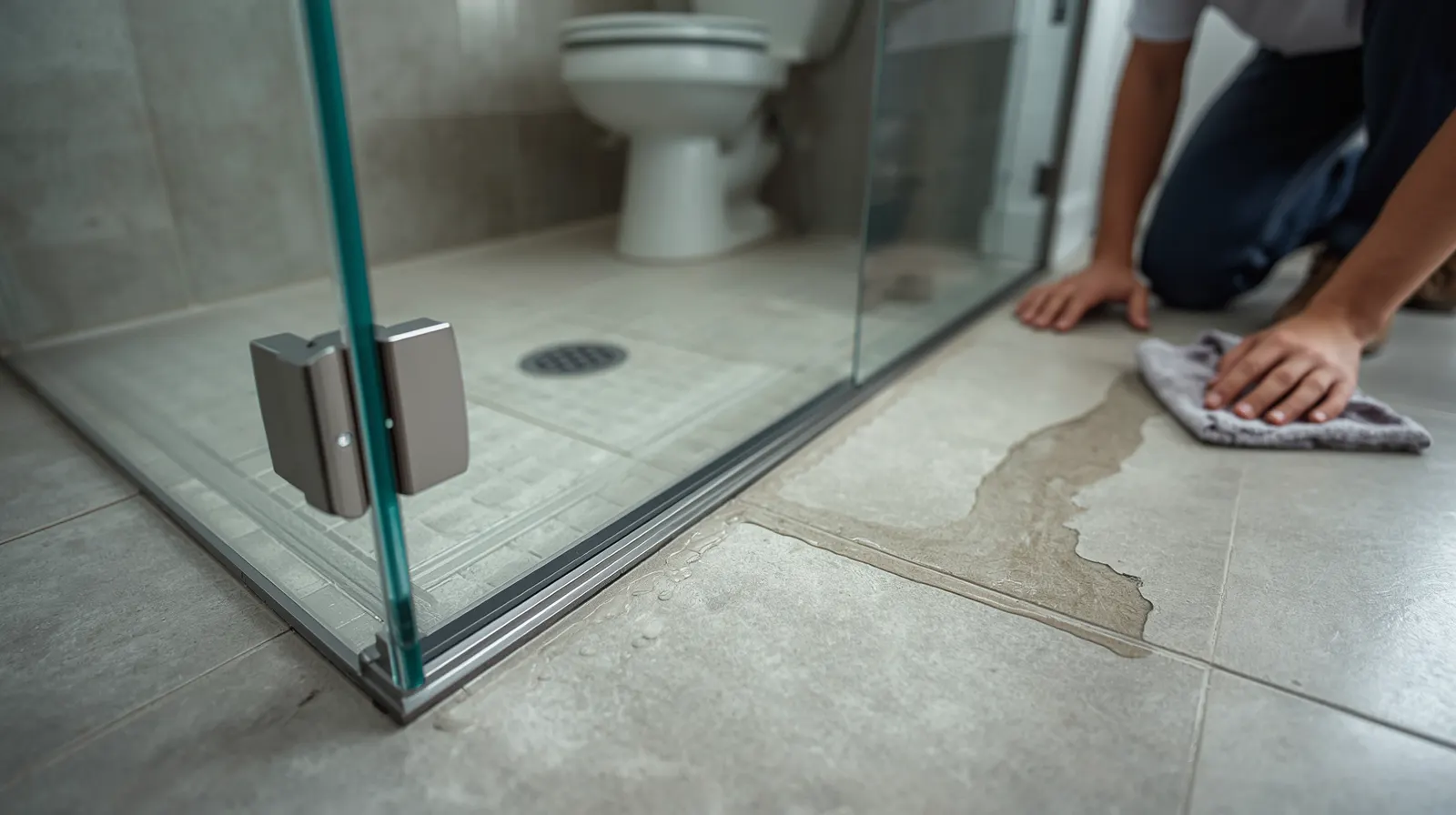
Have you noticed a shower tile moving under your feet or water collecting around the drain? These signs may seem minor, but they can indicate hidden moisture problems beneath your shower floor. Ignoring them could lead to damaged flooring and expensive repairs.
Loose Shower Tiles around a leaking drain often indicate cracked grout, failed waterproofing, or damaged drain connections. Identifying the cause before resetting the tiles helps prevent recurring leaks and keeps your shower floor stable and safe.
Common Causes of Loose Shower Tiles
Shower floors face constant moisture, cleaning products, and daily foot traffic. Over time, these conditions can weaken grout and tile adhesive, allowing water to reach the layers beneath the surface.
Before repairing loose tiles, identify where the moisture originates. Simply pressing tiles back into place will not solve a leak caused by damaged plumbing or waterproofing.
Water Seeping Beneath Floor Tiles
Water can pass through damaged grout or failed waterproofing and weaken the adhesive beneath the tiles. Over time, tiles may move, sound hollow, or lift when stepped on.
Check for persistent dampness, musty odors, and shifting tiles. If several tiles are loose, have a professional inspect the underlying waterproofing before starting repairs.
Cracked Grout Around the Drain
Grout can crack because of movement, poor installation, or repeated moisture exposure. These gaps may allow water to penetrate beneath the tile surface and worsen existing damage.
Inspect the grout around the drain for missing sections or visible cracks. Since grout alone does not waterproof a shower, persistent leaks may require repairs to the drain connection or waterproofing membrane.
Poor Tile Adhesion and Water Damage
Tiles may loosen when adhesive is applied unevenly or the underlying surface is poorly prepared. Continued water exposure can make the problem worse, especially if the waterproofing system has failed.
A tile professional can determine whether the tiles can be reset or whether damaged substrate materials need replacement. Fixing the underlying problem helps prevent recurring damage.
Fixing Leaks With Drain Leak Repair
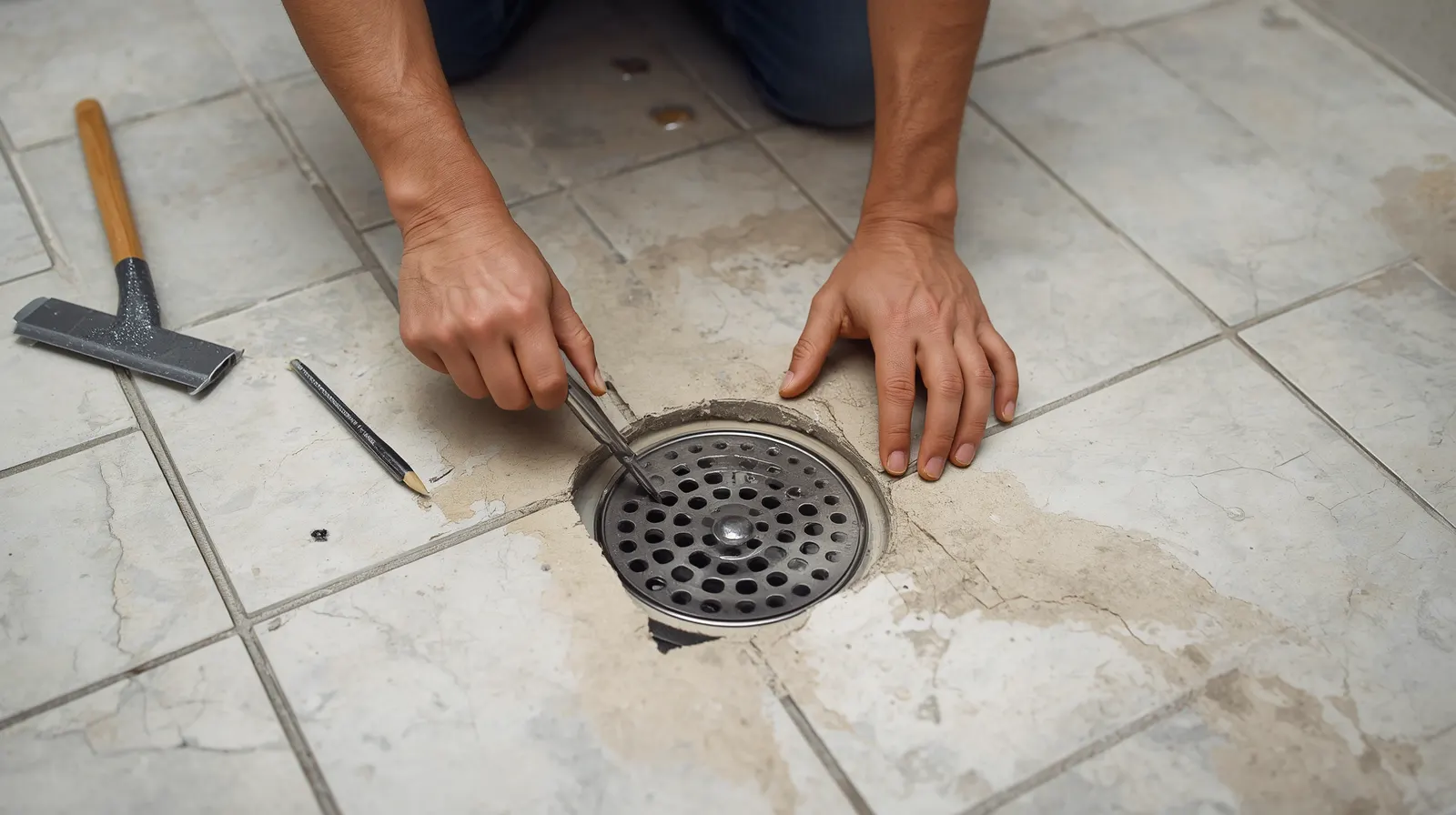
Effective Drain Leak Repair begins with locating the source rather than immediately replacing loose tiles. Damaged drain seals, leaking pipe connections, and failed waterproofing can all cause moisture beneath the shower floor.
Observe when the leak occurs and where water collects. If water continues escaping or the floor feels unstable, avoid using the shower until the problem has been assessed.
Inspecting the Drain and Pipe Connections
A plumber can inspect the drain assembly, accessible pipe connections, and seals for signs of leakage. Water escaping mainly when the shower drains may indicate a problem with the drain or waste pipe.
Richard Trethewey, a plumbing and heating expert on This Old House, demonstrates the value of testing the drain separately from other shower components. Isolating the source helps narrow down the problem before unnecessary repairs begin.
Replacing Damaged Seals and Grout
Once the leak has been identified, replace damaged drain seals or pipe components as necessary. Remove deteriorated grout and renew affected joints with materials suitable for shower installations.
If the waterproofing membrane has failed, surface repairs alone will not provide a lasting solution. The damaged area may need to be opened so the underlying waterproofing can be repaired before the tiles are restored.
Resetting Loose Tiles Securely
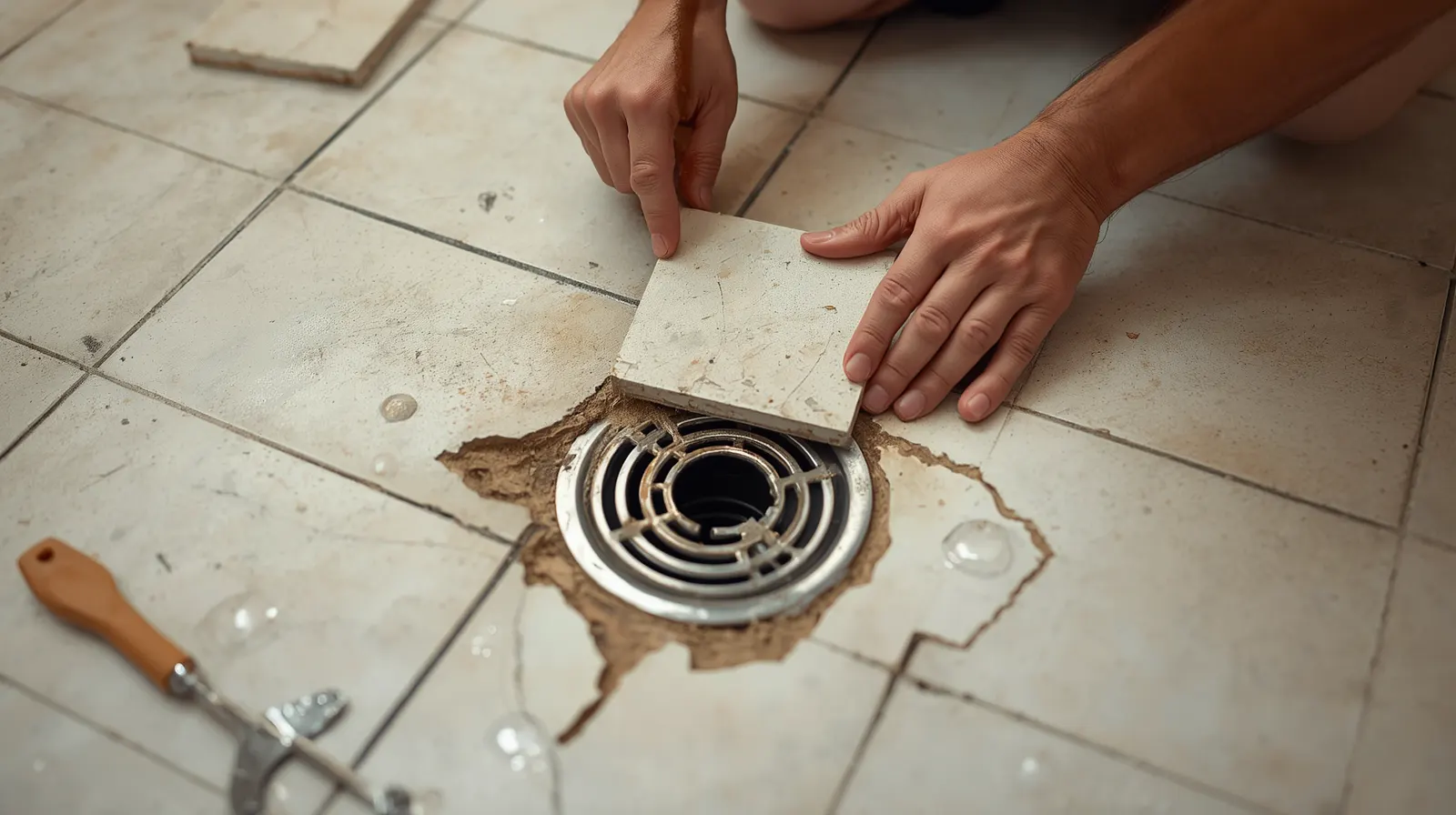
Reset tiles only after the leak has been corrected and the substrate is sound and sufficiently dry. Remove loose tiles carefully, clear away old adhesive, and prepare the surface according to the manufacturer’s instructions.
Apply compatible tile adhesive, position the tiles evenly, and allow the installation to cure before grouting or using the shower. Tile expert Tom Silva of This Old House recommends that homeowners “place a chair or barrier over the fresh tile overnight to keep people,and pets,from walking on it.” Always follow the curing time specified for your materials.
Benefits of Proper Shower Tile Repairs
Repairing loose tiles and fixing the underlying leak can protect your bathroom from further deterioration. It also restores floor stability and reduces the risk of repeated repairs.
Addressing both visible damage and its underlying cause helps maintain a functional shower floor and prevents moisture from spreading into surrounding materials.
Preventing Further Water Damage
Unresolved leaks can damage subfloors, surrounding walls, and other moisture-sensitive materials. Persistent dampness may also encourage mold growth and create unpleasant odors.
Repairing damaged seals and waterproofing promptly helps limit moisture intrusion. If nearby materials remain damp, have them assessed before covering the area with new tiles.
Restoring a Stable Shower Floor
Loose tiles can shift underfoot, creating uneven surfaces and potential tripping hazards. Properly resetting them restores a more stable floor and improves everyday comfort.
A professional can also check the substrate and confirm that the shower floor drains correctly. These details are essential for a safe, functional repair.
Reducing Future Repair Costs
Fixing a leak early may prevent more extensive repairs involving the subfloor, waterproofing, and surrounding finishes. Although professional work requires an initial investment, correcting the actual cause can reduce recurring expenses.
Inspect grout, drain areas, and tile surfaces regularly. Responding to early warning signs can help keep future maintenance manageable.
Restore Your Shower Floor With Expert Help
Loose tiles around a leaking shower drain are more than a cosmetic concern. They can signal hidden damage that becomes more expensive if ignored.
Protect your bathroom by fixing the leak and restoring the damaged tiles properly. Contact a qualified plumber or tile specialist to get your shower floor back in shape.